Digital Wagering Leaders Adapting to Professional League Dynamics in Late 2026
Nils Jenkins · Nov 14, 2026

Digital Wagering Leaders Adapting to Professional League Dynamics in Late 2026
Platform operators have expanded their reach across professional football and basketball circuits since the start of the 2026 season, with several services reporting increased account activations during November when multiple league schedules overlap. Data from industry trackers shows that user sessions on handheld devices rose notably compared with the same period in prior years, driven by features that allow real-time adjustments to wagers while matches unfold.
Market Expansion Patterns Across Regions
Operators have targeted new jurisdictions where legislation opened pathways for licensed activity earlier in the decade, and figures released by the American Gaming Association indicate that total handle from mobile channels grew steadily through 2025 into 2026. Observers note that states such as those in the Midwest and Southwest added regulatory frameworks that permitted more operators to enter, resulting in broader availability for fans following college and professional circuits alike. Meanwhile regulatory bodies in parts of Canada and Australia have published quarterly summaries that track similar upticks in participation rates, underscoring how licensing timelines influence where services concentrate development resources.
Those who monitor transaction volumes report that deposit methods diversified further this year, with traditional banking options continuing alongside newer digital asset routes that gained traction in certain markets. Research compiled by academic groups at institutions focused on gaming studies reveals that average session durations lengthened when operators introduced streamlined verification steps, reducing friction during live events.
Interface Adjustments for Live Event Coverage
Application designers refined notification systems to highlight shifting probabilities during key moments such as timeouts or player substitutions, and case examples from services operating in multiple regions demonstrate how these alerts integrate with historical performance data to inform user decisions. Experts have observed that platforms maintaining consistent uptime during peak viewing hours, including those surrounding November primetime matchups, retained higher retention metrics according to internal analytics shared with trade publications.
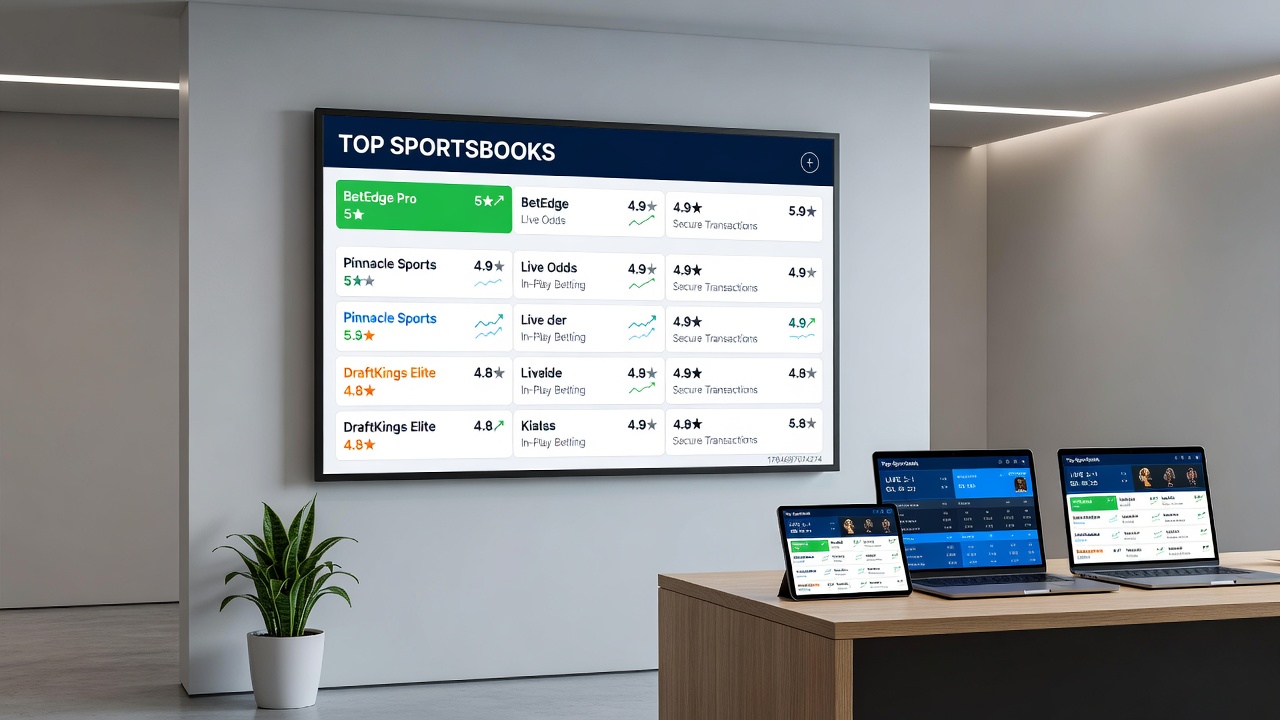
Support teams at leading services coordinate with backend systems to address queries about line movements, and documentation from operator reports shows that resolution times shortened when automated tools flagged common issues before human intervention occurred. People who track customer interaction logs find that queries peak around halftime intervals across basketball and football schedules, prompting several providers to staff additional specialists during those windows.
Demographic Shifts and Engagement Data
Surveys conducted by research consortia indicate that participation among younger adults increased where mobile-first designs emphasized quick access to statistical overlays, while older cohorts continued favoring established desktop interfaces for longer analytical sessions. Figures from regulatory filings in various North American provinces reveal that responsible play tools, such as session reminders and spending caps, saw higher activation rates when presented at onboarding rather than buried in settings menus.
Industry organizations tracking global trends note that operators with partnerships across different continents adapted content localization more rapidly, offering region-specific league coverage that appealed to expatriate audiences following domestic competitions. This approach contributed to steadier growth curves even as seasonal fluctuations affected overall volumes in individual territories.
Conclusion
Platform evolution continues to align with regulatory developments and user behavior patterns observed through 2026, particularly as November schedules intensify competition among services. Those who analyze aggregated data from licensing authorities and academic sources see sustained emphasis on reliability and accessibility as core drivers for market positioning in the years ahead.